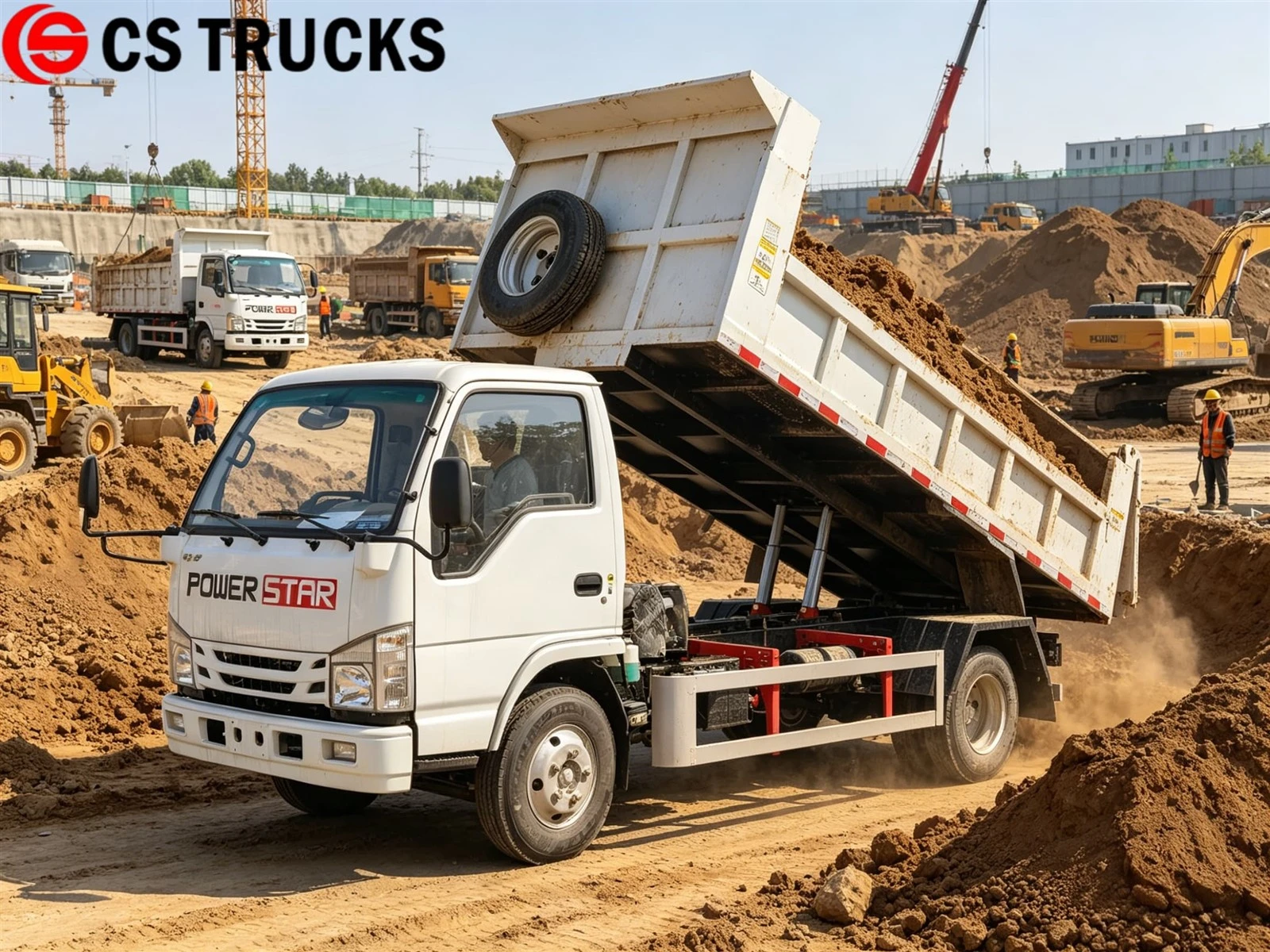
The inability of dump trucks to lift properly is a common malfunction in construction transport vehicles. Problems with components such as the hydraulic system, hydraulic pump, lifting cylinder, power take-off (PTO), and control valves can all cause the cargo box to fail to lift, lift slowly, or stop suddenly during lifting.
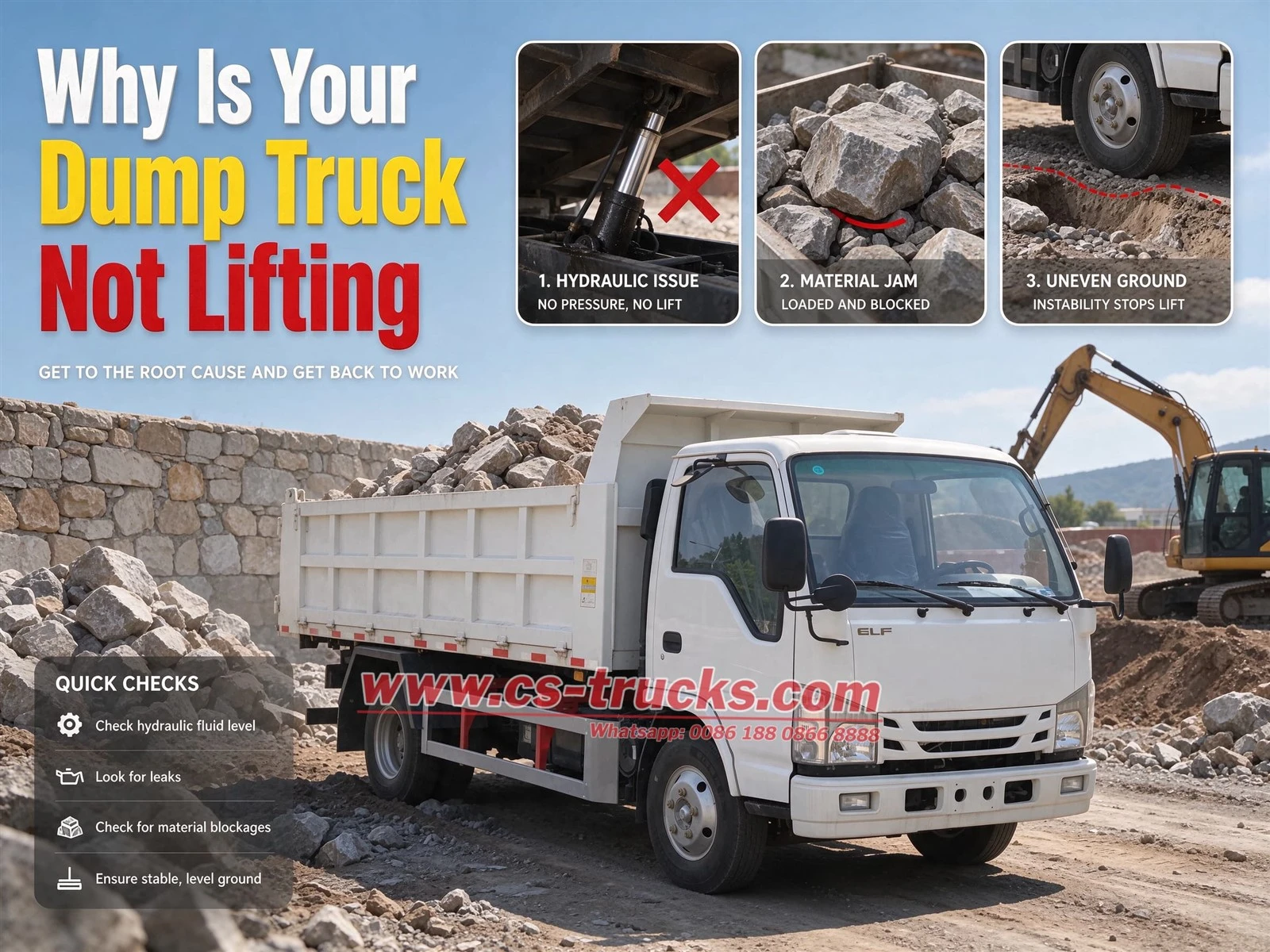
This article will introduce common causes of dump trucks failing to lift, troubleshooting methods, and solutions to help drivers and fleet managers quickly identify problems and reduce equipment downtime.
I.How Does a Dump Truck Lifting System Work?
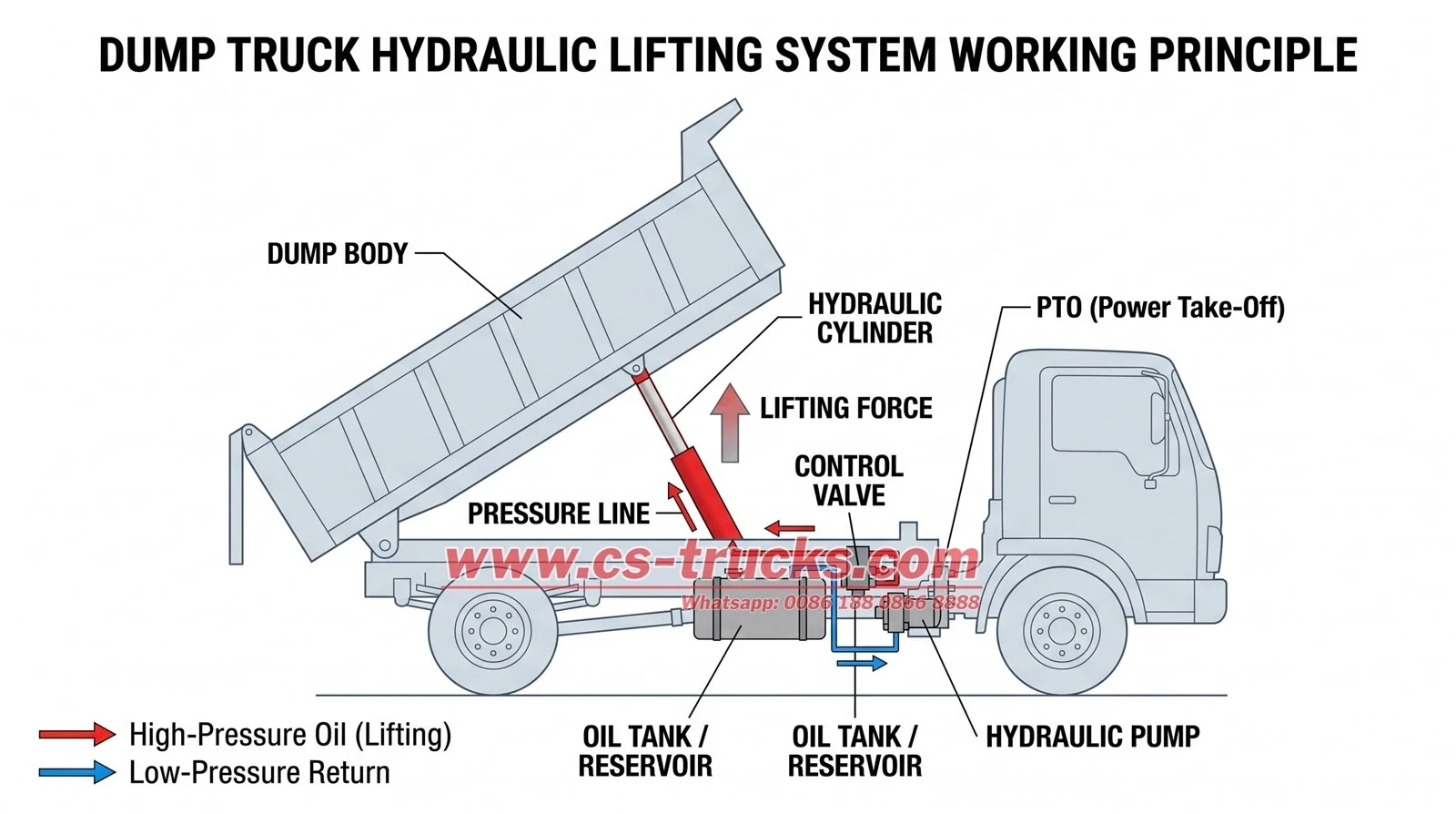
Before troubleshooting, it is necessary to understand the basic working principle of the dump truck lifting system.
Dump trucks typically use a hydraulic system to lift the cargo box. The engine provides power, the power take-off (PTO) drives the hydraulic pump, and hydraulic oil enters the lifting cylinder through a control valve, pushing the piston out and thus lifting the cargo box.
The main components include:
Hydraulic Pump: Provides hydraulic power.
PTO: Transfers engine power to the hydraulic pump.
Hydraulic Cylinder: Provides lifting power.
Control Valve: Controls the direction of hydraulic oil flow.
Hydraulic Oil Tank: Stores hydraulic oil.
Hydraulic Hoses: Transport hydraulic oil.
If any of these critical components malfunctions, it could affect the normal lifting of the cargo box.
II.7 Common Reasons Why Your Dump Truck Is Not Lifting
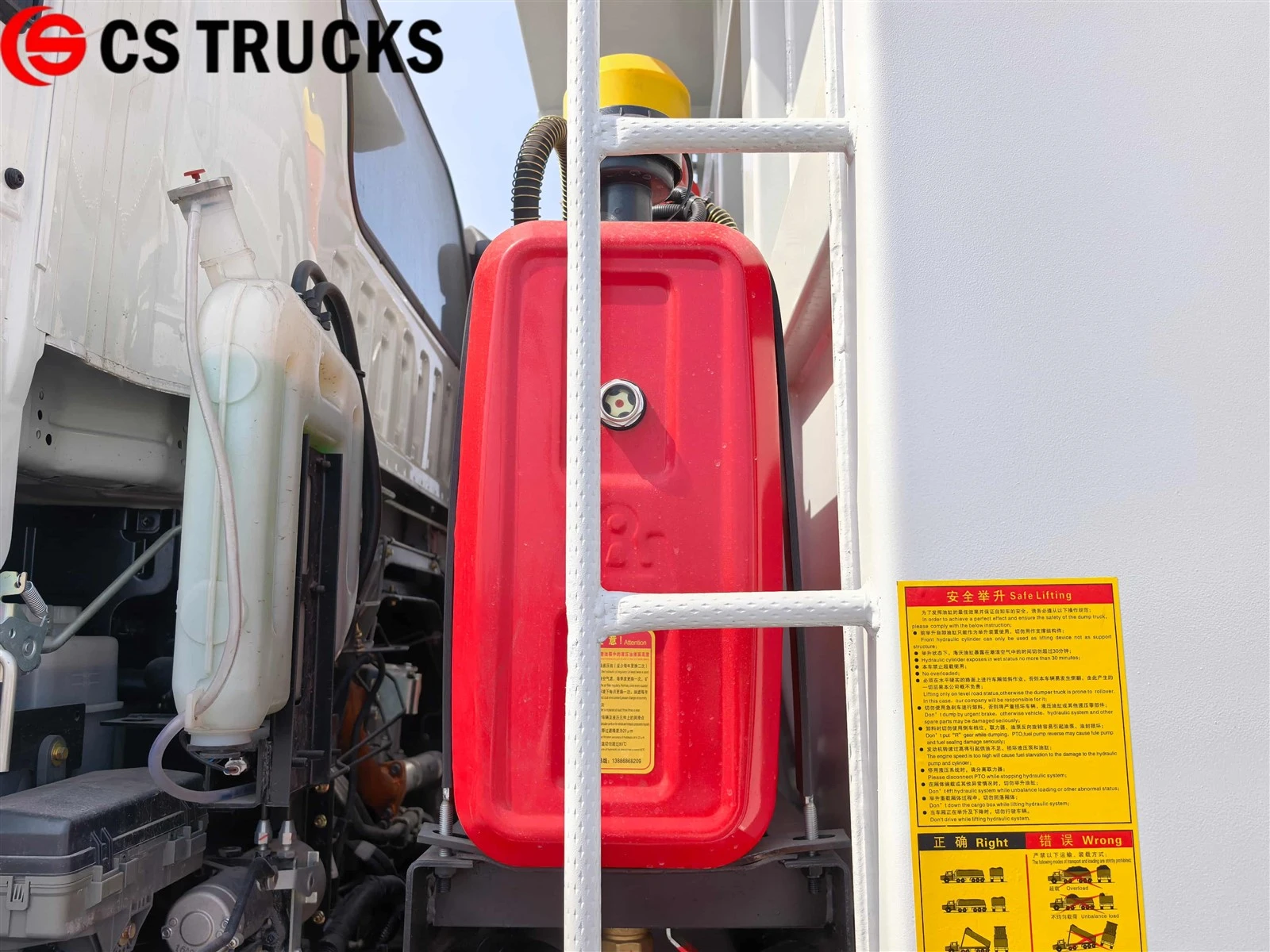
1. Low Hydraulic Oil Level
Possible Causes:
Insufficient hydraulic oil is one of the common reasons why dump trucks cannot lift properly.
- The hydraulic oil level in the tank is below the normal range.
- There is a leak in the hydraulic lines or joints.
- Prolonged use leads to hydraulic oil depletion.
Solutions:
- Check the hydraulic oil level in the tank.
- Check for leaks in the lines, fittings, and cylinders.
- Add the appropriate type of hydraulic oil as specified by the manufacturer.
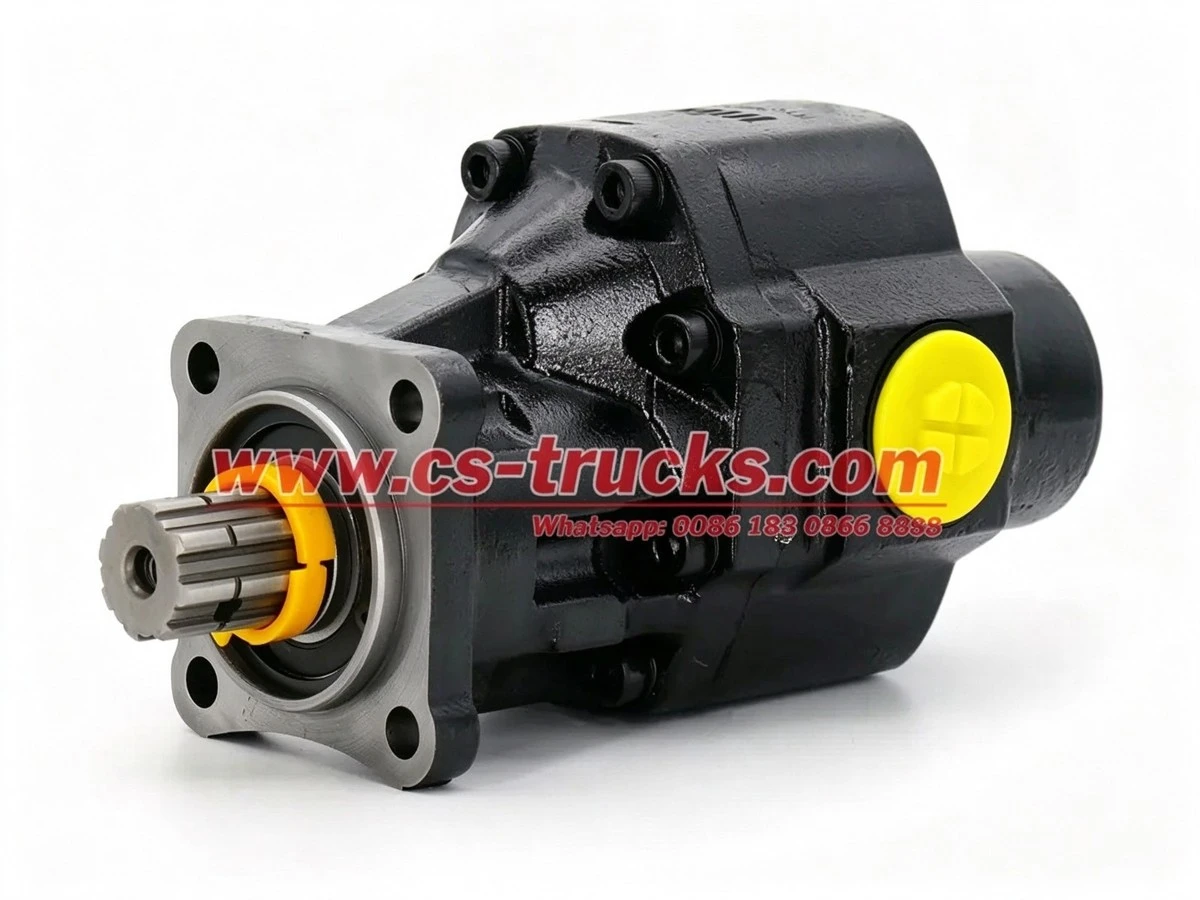
2. Hydraulic Pump Failure
Possible Causes:
The hydraulic pump is responsible for providing pressure and flow to the lifting system. If the pump malfunctions, the cargo box may fail to lift or the lifting speed may be significantly slower.
- Internal wear of the pump.
- Damage to the pump drive mechanism.
- Blockage in the pump suction line.
- Internal leakage in the pump.
Solutions:
- Inspect the oil pump and its drive connection.
- Check the suction line and filter for blockages.
- Measure the hydraulic system pressure and flow rate.
- Repair or replace the hydraulic pump if necessary.
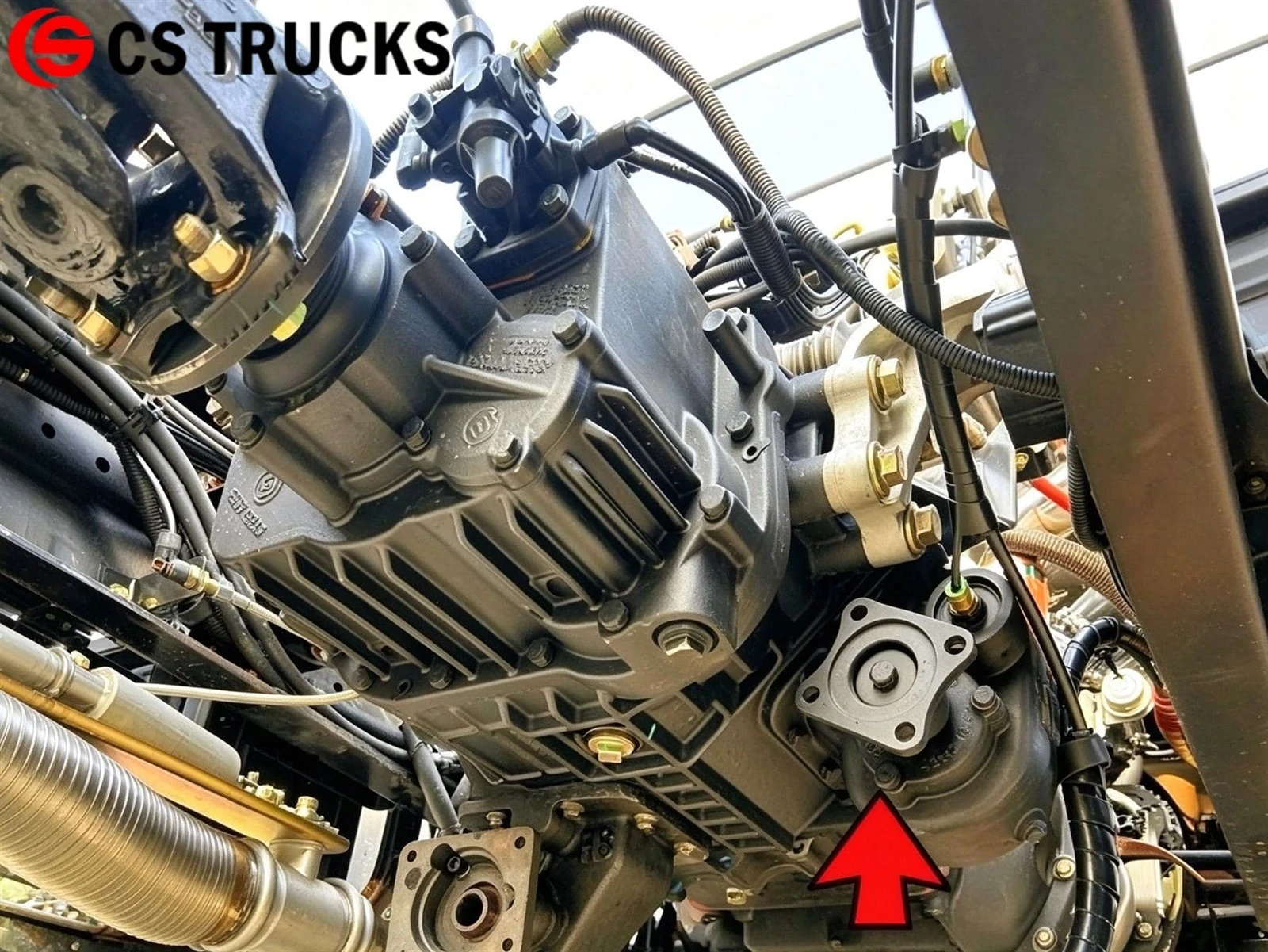
3. PTO (Power Take-Off) Not Engaging
Possible Causes:
The PTO (Power Take-Off) is responsible for transmitting engine power to the hydraulic pump. If the PTO cannot engage properly, the pump will not receive driving force.
- PTO switch or control air circuit malfunction.
- Worn or damaged PTO gears.
- Abnormal connection between the PTO and the hydraulic pump.
- Insufficient air pressure prevents the PTO from engaging.
Solutions:
- Check the PTO control switch and wiring.
- Check the pneumatic control system.
- Check the PTO and drive connections.
- Repair or replace damaged parts as needed.
4. Hydraulic Cylinder Problems
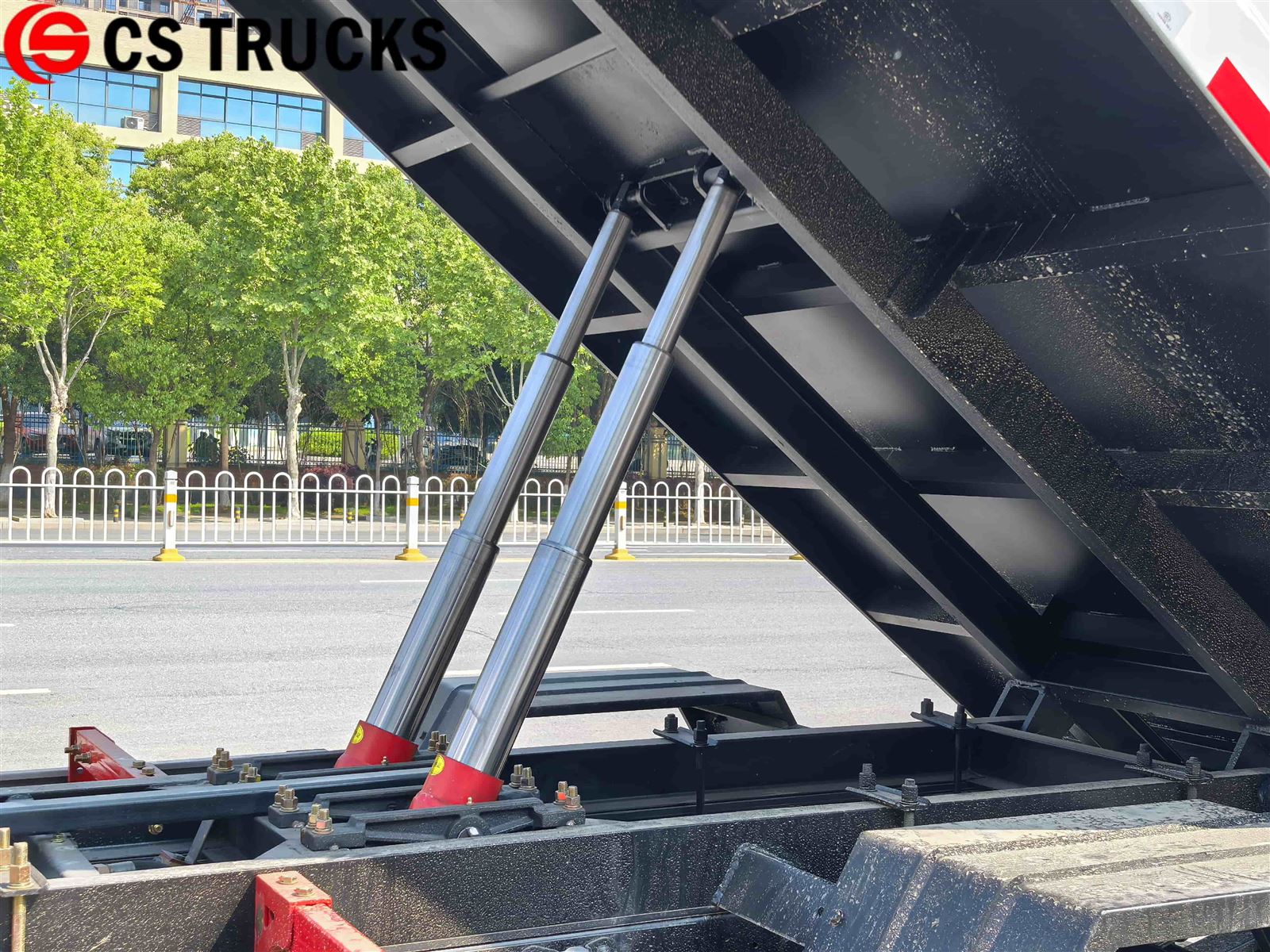
Possible Causes:
The hydraulic cylinder directly handles the lifting of the cargo box; its malfunction will directly affect lifting capacity.
- Wear or damage to cylinder seals.
- Internal leakage in the piston.
- Bent or damaged cylinder.
- Internal abnormalities in multistage cylinders.
Solutions:
- Check the cylinder surface for oil leaks.
- Check the piston rod for scratches or bending.
- Inspect the seals and internal structure.
- Replace seals or repair the cylinder if necessary.
5. Faulty Hydraulic Control Valve
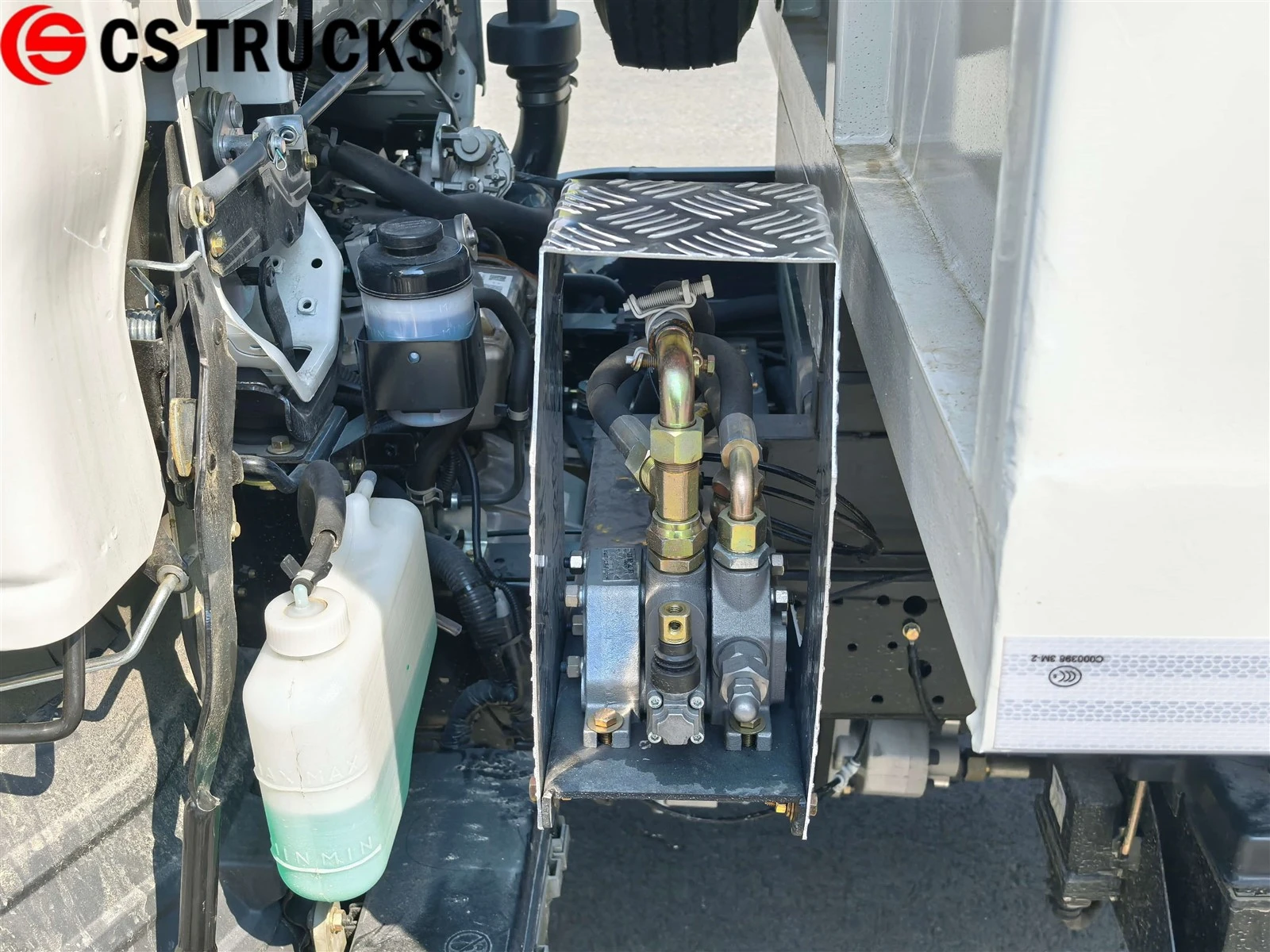
Possible Causes:
The control valve regulates the flow and pressure of hydraulic fluid. If the valve spool is stuck or the valve is damaged, hydraulic fluid may not be able to properly enter the lifting cylinder.
- The valve spool is stuck with impurities.
- Internal wear of the control valve.
- Abnormal relief valve setting.
- Faulty operating mechanism or control circuit.
Solutions:
Inspect the control valve and its operating mechanism.
- Check the cleanliness of the hydraulic fluid.
- Check that the relief valve setting meets the manufacturer's requirements.
- Clean, repair, or replace the faulty valve.
6. Clogged Hydraulic Filter or Hose
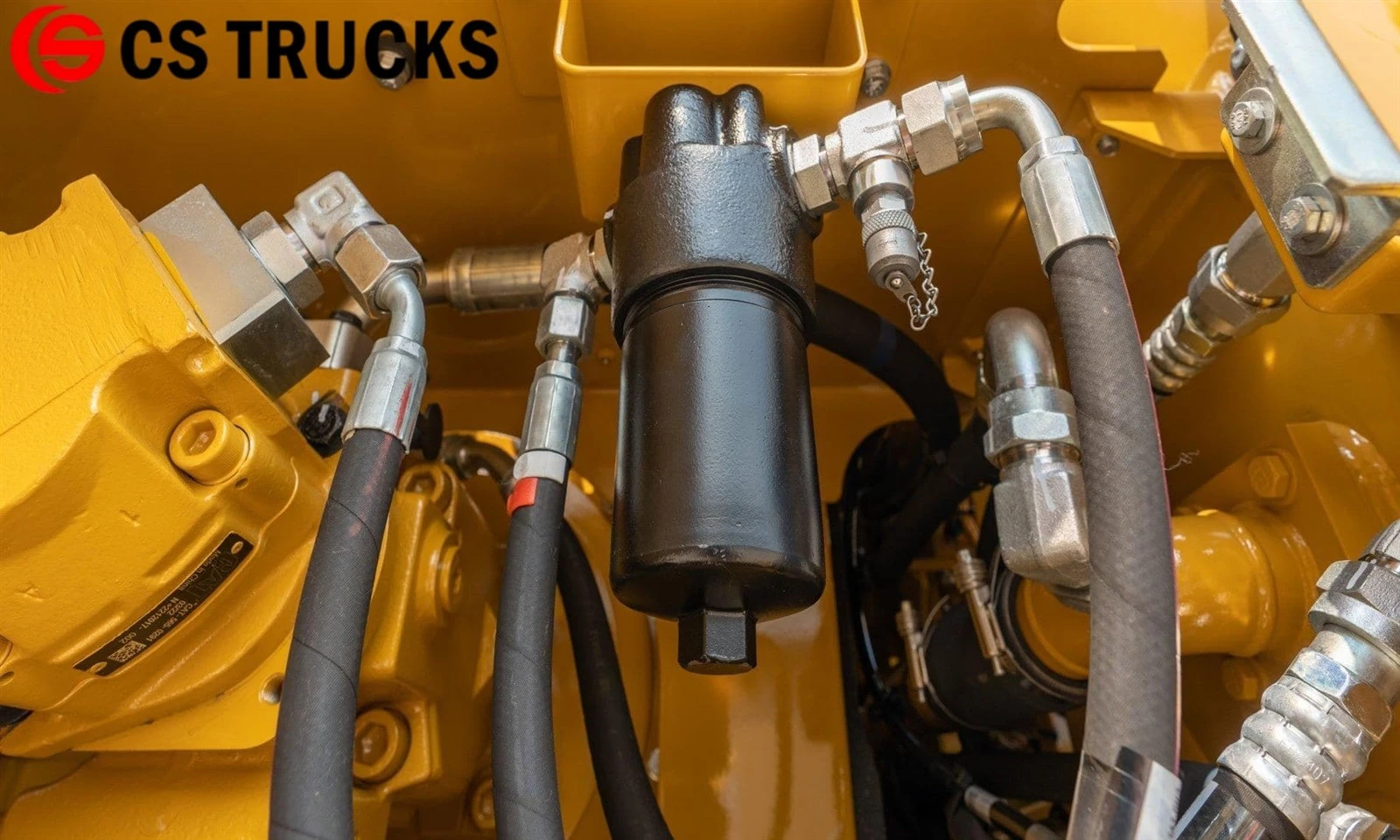
Possible Causes:
A clogged hydraulic filter or blocked lines can restrict hydraulic fluid flow, leading to reduced lifting speed or even failure to lift.
The hydraulic filter has not been replaced for a long time.
- Impurities are present inside the lines.
- The hydraulic hose is bent or flattened.
- The suction line is blocked.
Solutions:
- Inspect and replace the clogged filter.
- Inspect the hydraulic lines for bends or damage.
- Clean the relevant lines.
- Replace the hydraulic fluid and filter according to the maintenance schedule.
7. Overloading or Improper Load Distribution
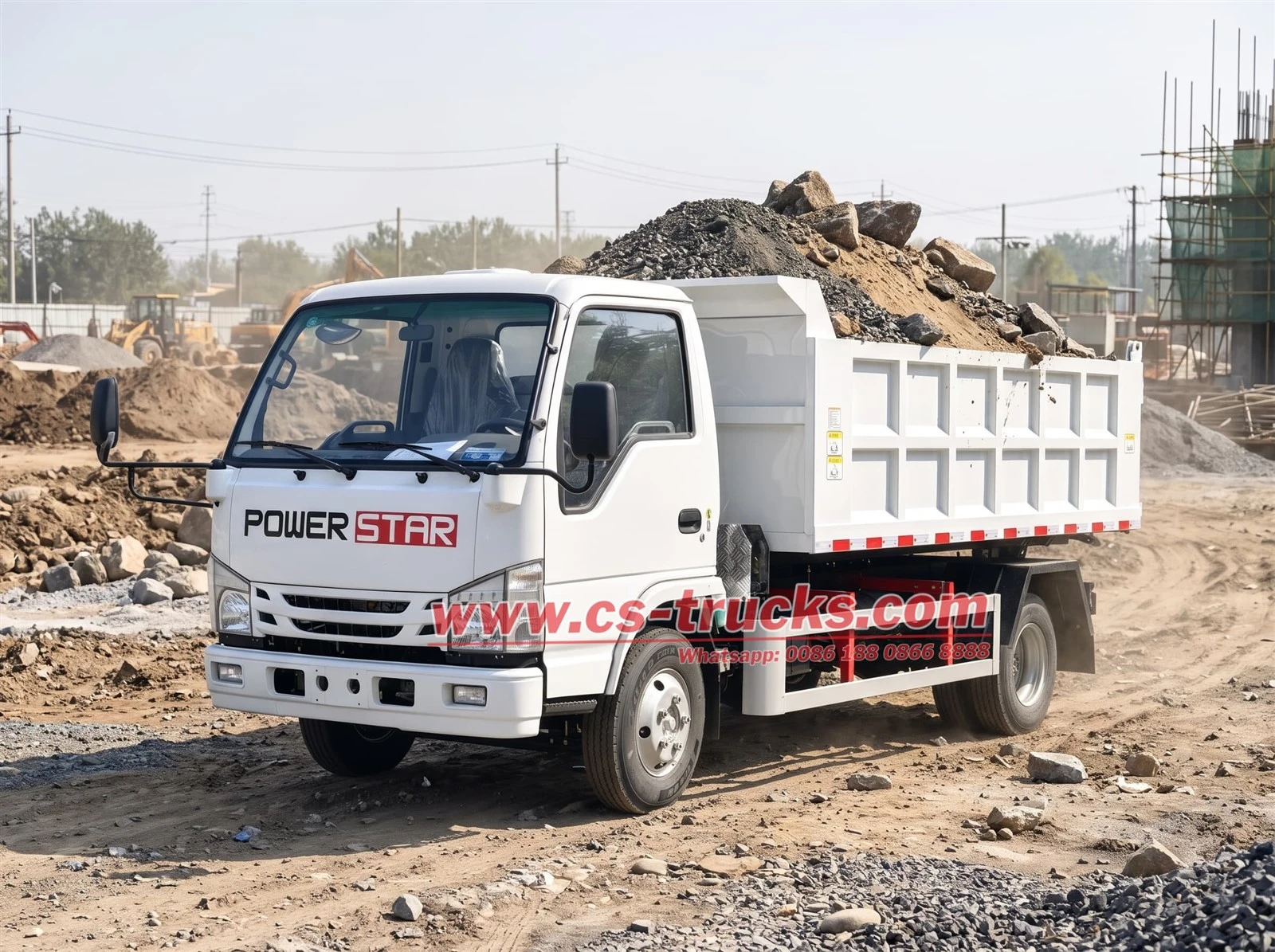
Possible Causes:
The lifting system may malfunction if the load exceeds the vehicle's rated load, or if the load is unevenly distributed.
- The load weight exceeds the rated load.
- The load is concentrated on one side or in one area of the cargo box.
- The load is stuck to the bottom of the cargo box.
- The lifting mechanism is subjected to excessive load.
Solutions:
- Ensure the load weight does not exceed the rated load.
- Distribute the load weight appropriately.
- Avoid piling up materials that tend to stick to the cargo box.
- Inspect the lifting system for damage caused by overloading.
III.Dump Truck Lifting Problems: Symptoms and Solutions
Different malfunctions typically present with different symptoms. The table below can help you quickly identify potential problems.
| Common Symptoms | Possible Causes | Recommended Solutions |
| The cargo box could not be lifted at all | PTO malfunction, oil pump malfunction, insufficient oil level | Check PTO, oil pump and oil level |
| The cargo box lifting speed is slow | Oil pump wear, filter blockage, insufficient oil | Check the oil pump and hydraulic lines |
| The cargo box stops when it is halfway up | Hydraulic leakage, insufficient oil pump pressure, overload | Check pressure and load |
| Abnormal noise occurred during the lifting process | Oil pump sucking in air, air entering the system, mechanical component malfunction | Check oil level, suction pipe and connecting parts |
| The cargo box lowers automatically after being raised | Internal leakage in hydraulic cylinder, leakage in control valve | Inspect the hydraulic cylinder and control valve |
IV.How to Troubleshoot a Dump Truck That Won't Lift
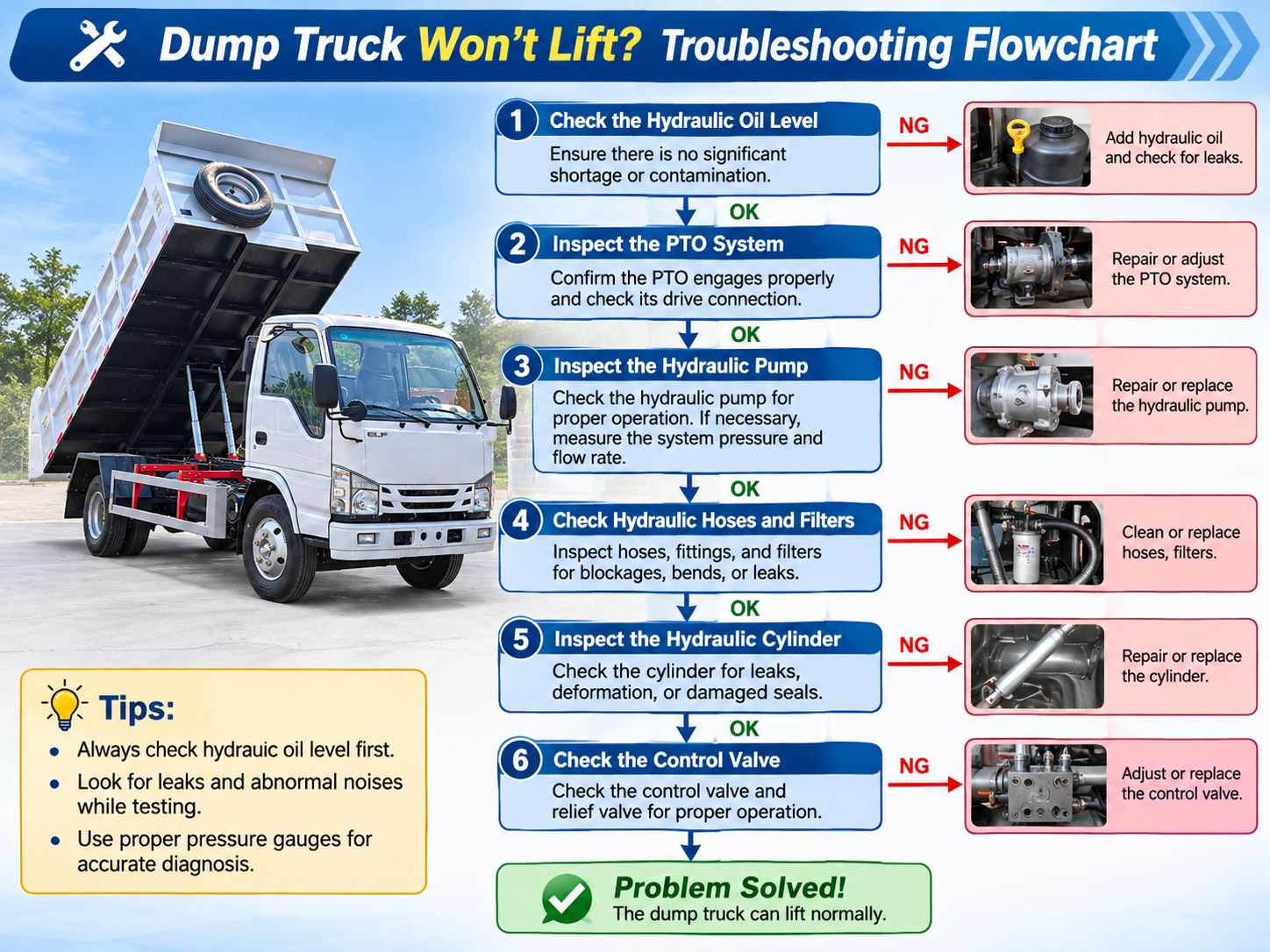
If you find that a dump truck cannot be lifted, you can check it in the following order:
Step 1: Check the Hydraulic Oil Level
Check the hydraulic oil level in the tank to ensure there is no significant shortage or contamination.
Step 2: Inspect the PTO System
Confirm the PTO engages properly and check its drive connection.
Step 3: Inspect the Hydraulic Pump
Check the hydraulic pump for proper operation. If necessary, have a professional measure the system pressure and flow rate.
Step 4: Check Hydraulic Hoses and Filters
Inspect hoses, fittings, and filters for blockages, bends, or leaks.
Step 5: Inspect the Hydraulic Cylinder
Check the cylinder for leaks, deformation, or damaged seals.
Step 6: Check the Control Valve
Check the control valve and relief valve for proper operation.
Note: When inspecting the hydraulic system of a dump truck, the vehicle must be parked on a firm, level surface, the parking brake applied, and it must be ensured that the cargo box will not unexpectedly drop. Work is strictly prohibited under a cargo box that is supported solely by the hydraulic system. If access under the cargo box is necessary, the manufacturer specified mechanical safety supports must be used, and system pressure must be released before any maintenance is performed.
V.How to Prevent Dump Truck Lifting Problems
Regular maintenance is an important measure to reduce lifting system failures and extend vehicle lifespan.
| Maintenance Items | Recommended Actions |
| Hydraulic Oil | Regularly check oil level and oil quality |
| Hydraulic Pump | Check the oil pump's operating status and any abnormal noise |
| Hydraulic Cylinder | Check seals, piston rod, and for oil leaks |
| Hydraulic Hoses | Inspect pipes for wear, aging, and leaks |
| Hydraulic Filter | Clean or replace according to the maintenance schedule |
| PTO System | Regularly inspect the engagement status and transmission connections |
| Control Valve | Check valve operation and control functions |
The specific maintenance schedule should be based on the vehicle manufacturer's maintenance manual.
VI.When Should You Replace Dump Truck Hydraulic Components?
If hydraulic system components are severely worn or damaged, routine maintenance alone may not be sufficient to restore normal operation.
The following situations typically require component replacement:
- Severely worn hydraulic pump, unable to achieve specified pressure or flow.
- Significantly deformed or severely damaged hydraulic cylinder.
- Cracked, bulging, or severely aged hydraulic hoses.
- Internally damaged control valve, unable to properly control the hydraulic circuit.
- Severely worn PTO gears or transmission components.
When replacing components, select products that match the vehicle model, hydraulic system parameters, and installation requirements.
VII.Conclusion
The inability of a dump truck to lift is usually related to factors such as insufficient hydraulic oil, hydraulic pump failure, PTO (Power Towing Unit) failure to engage, cylinder damage, control valve malfunction, and pipeline blockage.
Understanding the working principle of the lifting system, identifying common fault symptoms, and performing regular maintenance can effectively reduce equipment downtime and improve transportation efficiency.
For dump truck users, choosing a reliable hydraulic system and high quality key components are equally important factors in ensuring the long term stable operation of the vehicle.