

Tanker Truck
A tanker truck is a type of road vehicle that is designed to transport liquids or gases in bulk. The tankers are specially constructed to avoid spills or leaks during transportation and transfer. These are commonly used to transport petroleum products, such as gasoline, diesel fuel, and oil, as well as chemicals, water, and other liquids or gases.
Advantages of tanker truck
Efficient transportation
Tanker trucks provide a highly efficient means of transporting large quantities of liquids, gases, and other bulk materials. Their specialized design allows maximum payload capacity, reducing the number of trips required and minimizing transportation costs.
Versatility
Tanker trucks come in various sizes and configurations, catering to different industries’ needs. They can transport many substances, including petroleum products, chemicals, food-grade liquids, water, etc. This versatility makes them indispensable across multiple sectors.
Safety and security
Tanker trucks are built with safety in mind. They are equipped with advanced features such as reinforced tanks, anti-spill mechanisms, and pressure relief valves to ensure the secure transportation of hazardous materials. Additionally, their sealed compartments prevent contamination and maintain product integrity during transit.
Time-saving
Tanker trucks offer significant time-saving benefits compared to other modes of transportation. Their high-capacity tanks can transport large volumes in a single trip, reducing loading and unloading times. This efficiency helps businesses streamline their operations and meet tight deadlines.
Cost-effective
Tanker trucks help businesses optimize logistics costs by minimizing fuel consumption, reducing labor requirements, and eliminating the need for additional packaging materials for bulk shipments. These trucks offer a cost-effective solution for transporting liquids and bulk materials by maximizing payloads and minimizing transit times.
Environmental considerations
Tanker trucks contribute to environmental sustainability by reducing carbon emissions associated with transportation. By consolidating large volumes into a single shipment, fewer vehicles are required on the road, reducing traffic congestion and lowering overall environmental impact.
-
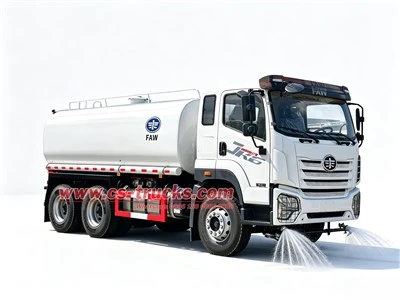 Mali Custom FAW Water Sprinkler TruckFAW 6×4 Water Truck Delivery Cost Near Me. This FAW 16CBM water tanker vehicle features a 16CBM tank, balancing operational range with urban road passability; its 6×4 drive configuration ensuresAdd to Inquiry
 -
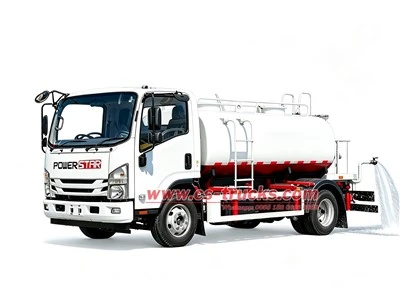 SGS Standard Urban Street Watering SprinklerISUZU 190HP Water Truck Delivery Cost Near Me. This ISUZU 5000 liters water sprinkler truck is precisely positioned to meet the flexible operational needs of urban side roads and rural areas. ItsAdd to Inquiry
 -
 ISUZU 10000L Water Sprinkler Truck With Fire MonitorISUZU 10000 Liters Construction Water Truck. The ISUZU 4×2 Drive water trucks near me is equipped with a powerful 298HP engine, providing ample power to meet the continuous operation needs underAdd to Inquiry
 -
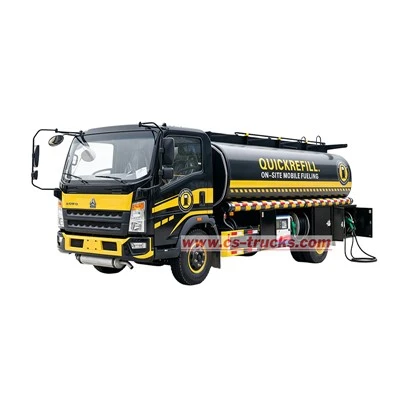 HOWO 6500L ON SITE MOBILE FUELING TRUCKHOWO 6500L mobile diesel fuel bowser with pump. The HOWO 6500L mobile fueling truck pairs an 80YHCB-60 fuel pump with a PTO-driven system on a SINOTRUK HOWO 4×2 chassis, all built around a 6500L Q235Add to Inquiry
 -
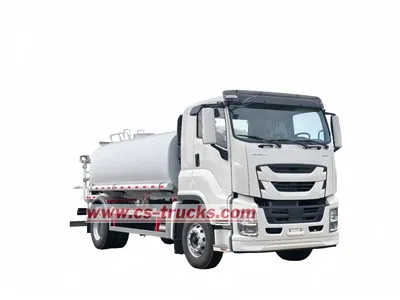 Jordan 12000Liters Water Tanker Truck ISUZU GIGAJordan ISUZU 12000 Liters Water Tanker DeliveryThis ISUZU 4x2 drinking water tanker is equipped with a 238 horsepower 6HK1-TCG61 engine, featuring a 4×2 drive configuration, delivering strong,Add to Inquiry
 -
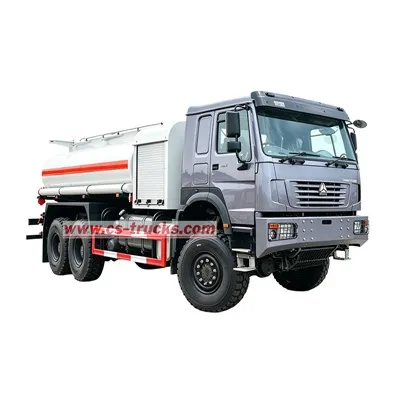 HOWO 6x6 Wildland 4000 Gallon Fuel Distribution TruckHOWO 6x6 Offroad Mobile Refueling Bowser Fuel Tanker. The HOWO 6×6 offroad 4000 Gallon wildland fuel truck combines a heavy duty HOWO 6×6 chassis with a 20000L carbon steel tank and a reliableAdd to Inquiry
 -
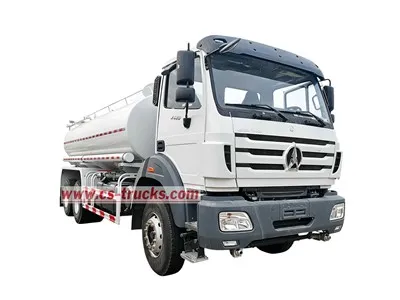 Congo BEIBEN 2629 Water Sprinkler Tanker TruckCongo BEIBEN 20CBM Water Bowser TruckThe Congo BEIBEN 6x4 water tank truck is equipped with a 20CBM large capacity water tank, providing extended range and higher operating efficiency; its 6×4Add to Inquiry
 -
 Congo FAW JK6 25000L Water Tanker BowserCongo FAW JK6 6X4 Water Sprinkler Truck. This Congo FAW JK6 25000L water tank truck is equipped with a large capacity 25000L water tank, reducing the frequency of water replenishment and improvingAdd to Inquiry
 -
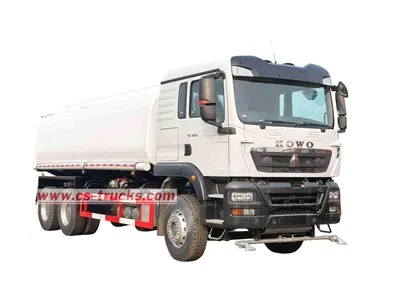 HOWO TX 22000L Water Sprinkler Tanker LorryHOWO 6X4 Drive Water Tanker for Sale. The HOWO TX 22000L Water Sprinkler Tanker Lorry is built with a 6×4 rear dual-axle drive for stable load-bearing and strong off-road performance, its 22000LAdd to Inquiry
 -
 Nigeria HOWO 10000L Sprinkler Water Bowser TruckHOWO 4X2 10000L Water Sprinkler Tanker Truck for Water BowserThis Nigeria HOWO 10000L sprinkler water bowser truck is equipped with a 290HP engine that delivers strong power, easily adapting toAdd to Inquiry
 -
 Beiben 2638 Oil Bowser Truck For MongoliaBeiben 2638 6x4 Mobile Diesel Fuel Petrol Bowser Truck With Pump. The Beiben 2638 12,000L Oil Bowser Truck integrates a high‑efficiency pumping system and dual‑compartment tank design on a heavy‑dutyAdd to Inquiry
 -
 Nicaragua 22000 Liters Water Wagon Howo 6x6 TruckHOWO 6X6 22 CBM Water Sprinkler Tanker Truck For Water Bowser. The HOWO 22000 Liters Water Wagon is built on a HOWO 6×6 chassis, featuring a 6mm Q235 carbon steel elliptical tank with anti‑corrosionAdd to Inquiry


- Tel: +86188 0866 8888
- Email: info@cs-trucks.com
- Add: No.9, Jiliang avenue,Economic zone, Suizhou city, Hubei province, China.
Why Choose Us
Factory
In line with the tenet of "quality first, credibility first, service first", we always develop with the goal of "creating the best supplier".
Professional team
The members of the team are highly skilled and proficient in their respective roles and possess the necessary education, training, and experience to excel in their jobs.
Advanced equipment
A machine, tool or instrument designed with advanced technology and functionality to perform highly specific tasks with greater precision, efficiency and reliability.
Global shipping
Our products support global shipping and the logistics system is complete, so our customers are all over the world.
Types of tanker truck
Fuel tankers
These trucks are designed to transport petroleum products such as gasoline, diesel fuel, and aviation fuel. They have specialized compartments and safety features to prevent leaks or spills.


Water tankers
Water tankers transport large quantities of water for various purposes, including firefighting, construction projects, and supplying remote areas with drinking water. They come in different sizes and configurations, depending on the specific requirements.
Chemical tankers
Chemical tankers are specifically engineered to transport hazardous chemicals and other liquids that require special handling. These trucks have advanced safety systems, including corrosion-resistant materials and leak-proof compartments, ensuring the secure transportation of dangerous substances.


Milk tankers
Milk tankers are designed to transport milk from dairy farms to processing facilities. These trucks have insulated stainless steel tanks that maintain the temperature and hygiene standards necessary for transporting perishable goods.
Bitumen tankers
Bitumen tankers are used for transporting bitumen, a sticky and viscous substance commonly used in road construction. These trucks have heating systems to keep the bitumen in a liquid state during transport.


LPG tankers
LPG (liquefied petroleum gas) tankers transport propane, butane, and other liquefied gases. These trucks have specialized tanks and safety features to prevent leaks or accidents.

1.Water treatment facilities
Tank trucks carry clean water to water treatment facilities in various countries worldwide. Also, some tank trucks carry seawater from surrounding seas to desalinization plants to support their water requirements.
2.Health care sector
Large quantities of health care products are being shipped to healthcare facility distributors through tankers worldwide to help improve its supply efficiency. It’s cost-saving and safer for authorized distributors to store and transfer to customized containers per client requirements.
3.Food sector
Timely and efficient trucking, shipping, and receiving services are critical in all food processing and warehousing operations. Fresh ingredients and packaging come in while finished goods leave for customers or distribution centers.
4.Trading and distribution
Trucking services use tanker trucks to provide logistics needs for various clients in all sectors. The distribution and supply of liquid and gas agricultural supplies promise good large-scale farm production. It includes delivering raw agricultural products from large-scale farms to processing plants.
5.Oil and gas industry
Traders of these products must comply with the documentary requirements according to the International Carriage of Dangerous Goods by Road (ADR) legislation, as well as local safety legislation and tax compliance rules,This industry uses specialized tanks for different kinds of petrol, diesel, gas-oil, kerosene, paraffin, and others fuel and gas products.
1.Make frequent stops
Some drivers have to stop several times to fill up their tank, for example, a milk tanker often stops at several farms before the tank is full.
2.Plan routes and schedules
Once a driver knows their destination, they have to determine how many miles they can drive each day while considering weight limits, weather, traffic and hazardous materials regulations.
3.Inspect and maintain vehicles
Tanker drivers must ensure they securely load transport materials, inspect their tanker vehicle before and after loading, conduct regular vehicle maintenance and provide proof of delivery.
4.Coordinate with dispatchers
Most drivers work with logistics professionals to plan routes, provide delivery timeline updates, log information about pickups and deliveries, calculate total mileage and maintain delivery schedules.
5.Maintain records
Drivers often need to keep detailed records about pickups, deliveries, tolls paid, expenses, miles driven, number of stops and proof of delivery.

What Types of Goods Are Transported in Tanker Trucks
Tanker trucks are primarily used for the transportation of liquids or gases. These trucks come in various sizes and are designed to transport a variety of products. Some common types of tanker trucks include those used for transporting gasoline, diesel, and other fuel products. Other types of goods that can be transported in tanker trucks include chemicals, such as acids and solvents, as well as food and beverages, such as milk and juice. The tanks used in tanker trucks are typically made of stainless steel or aluminum and are designed to be resistant to corrosion and other forms of damage. They are insulated and have various safety features to ensure that the products are transported safely to their final destination.
How Do You Get the Goods in and out of the Tank
There are several ways to get goods in and out of a tank, depending on the type of tank and the type of goods being transported or stored. For liquid tanks, such as fuel tanks, there are usually openings at the top and bottom for loading and unloading via pumps or hoses. Some tanks may also have a side or bottom valve for easier draining. For dry goods tanks, such as those used for grains or powders, the top may be accessible via a hatch, and goods can be loaded or unloaded using conveyor belts or other mechanical equipment. In some cases, the tank may need to be pressurized or depressurized during the loading or unloading process to ensure the safe transfer of goods. All goods should be properly labeled and handled according to relevant safety regulations to minimize the risk of spills or accidents.

Tips for loading and unloading tanker truck
Safety first
There are many safety precautions you have to take before loading or unloading a tanker truck with liquid. Chocking the wheels, performing a safety inspection, etc. One very important step is to put on your personal protection equipment (PPE). Your PPE will include eye protection, a long-sleeved shirt, gloves, full-length pants, safety shoes, and possibly other items.
Check labels
Ensure that the product that you’re going to load into the tanker (or unload into a storage tank) is correct as marked on both the storage tank and the tanker truck. And if the liquid you’re going to be hauling requires any labeling, make sure that those labels are visible and accurate. If you load the wrong chemical into the tank, there can be dangerous consequences for you and everyone at the loading station.
Stay close
After you’ve parked your rig and started the actual loading of the liquid, it’s important to stay close to the truck while loading and keep your full attention on the loading or unloading process. Avoid all distractions. It is your responsibility to make sure everything goes smoothly during the process. If you see an issue, stop immediately to address it.
Paperwork
Paperwork is a surprisingly large part of what a semi-truck driver does on a daily basis. Filling out the required fields in all of the paperwork is always important, but when you are responsible for tanker loading and unloading, the admin stuff is particularly critical. Complete your paperwork as much as possible before loading or unloading. And when you’re done, double check it before handing it off or driving away.
Benefits of Driving a Tanker Truck
Pay
One of the biggest advantages of driving a tanker truck is that it pays well, especially if you want to pull hazardous materials.
Wait times
Another advantage to being a tanker truck driver is there’s generally less waiting than with other loads. Unlike dry van and reefer driving, tanker drivers can usually load and unload their trailers themselves. This reduces their downtime and lets them get back on the road faster.
Scales
One thing many drivers enjoy about driving tanker trucks is they are easier to balance. Tank drivers don’t need to worry as much about balancing their loads across their axles or staying under their GVWR. It is possible to overload a tanker truck, but it’s much less common than with dry vans. And since liquid loads tend to move while you drive, balancing it across your axles doesn’t make much difference.
Less physical work
Finally, many tanker drivers appreciate that loading and unloading tanks is less physical than loading a flatbed or dry van. You’ll still have to crank landing gear and hook up air hoses, but you won’t need to strap or tarp loads on a windy day. Many tanker drivers have been driving for decades and still enjoy the work as much as they did when they started.
Components of tanker truck
Tank
The main component of the tanker truck is the tank itself, which is used for transporting liquids or gases. It is usually made of steel or aluminum and has a capacity of thousands of gallons. The tank is often divided into compartments to transport different types of liquids.
01
Pump
The pump works by creating suction which draws the liquid in and then uses pressure to push it out. The motor or engine drives a shaft that turns an impeller, which creates the suction and pressure. The pump is typically located on the rear of the truck and can be controlled by the driver or an operator at the loading or unloading site.
02
Hoses
The hoses used in tanker truck transfers are designed to be able to handle a variety of liquids and chemicals, ranging from gasoline to food-grade products. These hoses typically have a high-pressure rating and are designed to be durable and long-lasting.
03
Valves
Tanker trucks have multiple valves that control the flow of liquid or gas in and out of the tank. These valves can be manually or automatically operated.
04
Manholes
These manholes are typically round or square and are made of durable materials such as concrete or metal. They are designed to be securely fastened to the top of the tank to prevent any unauthorized access.
05
Safety equipment
These safety features are essential to protect both the driver and the environment from potential hazards associated with transporting hazardous or volatile materials. Tanker trucks are subject to strict regulations and inspections to ensure that they are equipped with appropriate safety equipment and that they meet safety standards.
06
Suspension
The air suspension system uses compressed air to adjust the height of the truck and provide a smooth ride. It consists of air bags and a compressor that inflates or deflates the bags as needed.
07
Brakes
Air brakes are the most common type of braking system used in tanker trucks because they are more effective in stopping heavy loads than hydraulic brakes. Air brakes work by using compressed air to apply pressure to the brake shoes or pads, which then press against the wheels to slow down or stop the vehicle.
08
Material of tanker truck
Stainless steel
Stainless steel is a type of material that is resistant to corrosion and staining. This makes it an ideal material for tank trucks carrying food-grade liquids, as it ensures that the liquid inside is not contaminated or affected by the truck's materials.
Aluminum
Aluminum is a lightweight and durable material that is ideal for use in tank trucks. It has a high strength-to-weight ratio, which means it can carry a lot of cargo while being light in weight. This helps reduce fuel consumption and improves the truck's efficiency.
Carbon steel
Carbon steel is a common material used in tank trucks used to transport dry bulk goods such as cement, grain and flour. This is because carbon steel is strong, durable and can withstand the weight and pressure of these heavy-duty materials.
Fiberglass
Fiberglass is a reinforced plastic woven from fine filaments of glass fibers to create a strong and durable material. It is known for its strength, rigidity, corrosion resistance and fire resistance. These properties make it an ideal material for tank trucks transporting hazardous liquids or gases.
Polyethylene
Polyethylene is a thermoplastic polymer with high impact, abrasion and chemical resistance. It is commonly used in the manufacture of tanks, containers and pipes used to transport and store different types of liquids.
Safety Precautions for Tanker Truck


Proper training and certification
All tanker truck operators should undergo comprehensive training and obtain the necessary certifications to handle hazardous materials safely. This includes understanding the properties of the substances being transported, emergency response procedures, and safe loading and unloading techniques.
Vehicle inspections
Regular inspections of the truck are crucial to identify any mechanical issues or leaks that could compromise safety during transportation. Inspections should be conducted before and after each trip, including checking the brakes, tires, and lights and ensuring all valves and fittings are secure.
Loading and unloading procedures
Following proper loading and unloading procedures is critical to prevent spills or leaks. This includes using appropriate equipment and ensuring that the tank is not overfilled. Proper grounding techniques should also be implemented to avoid static electricity buildup and potential explosions.
Secure cargo
It is essential to properly secure the cargo within the tanker to prevent shifting during transit. This can be achieved by using specialized baffles or partitions inside the tank that reduce liquid movement.
Emergency response plan
A well-defined emergency response plan is crucial in case of accidents or spills. All personnel involved in transporting hazardous materials should be trained on how to respond quickly and effectively to minimize risks and protect themselves, the environment, and others.
Driver awareness
Tanker truck drivers should always be vigilant while on the road, following safe driving practices such as maintaining appropriate speed limits, avoiding sudden maneuvers or hard braking, and being aware of potential hazards like low bridges or narrow roads.
Personal protective equipment (PPE)
All personnel handling hazardous materials must always wear appropriate PPE. This includes protective clothing, gloves, goggles, and respiratory equipment, as required by the transport material.
Communication
Effective communication among all parties involved in the transportation process is essential. This includes clear communication between drivers, dispatchers, and emergency responders to ensure everyone is informed and prepared.
Our Factory
Chusheng Vehicle Group CO., LTD (also shorted as CS Trucks Group Limited) was founded in 2002, is premium national special purpose vehicle manufacturing enterprise with independent research and development capabilities under the CRRC City Transportation Co., Ltd.

certificate


As one of the most professional tanker truck manufacturers and suppliers in China, we're featured by quality products and competitive price. Please rest assured to buy tanker truck for sale here from our factory. Contact us for customized service.
