

Cleaning Truck
A cleaning truck is a specialized vehicle that is equipped with various cleaning equipment and supplies to help maintain and clean large areas, such as streets, parking lots, sidewalks, and other public areas. It may include features such as high-pressure water jets, vacuum systems, sweepers, and disinfectant sprayers to remove dirt, debris, and other pollutants. Cleaning trucks are commonly used by municipal government agencies, private cleaning companies, and industrial facilities to maintain cleanliness and safety in public spaces.
Advantages of Cleaning Truck
Efficiency
Cleaning trucks are designed to collect and process waste in a quick and efficient manner, reducing the time and effort required for manual cleaning and processing.
Versatility
They are also capable of handling different types of debris, from leaves and dirt to larger items like tree branches and construction materials. This versatility makes them an essential tool for many industries, including municipalities, construction companies, and property managers.
Mobility
They can quickly respond to emergency cleanups and cover a wider area than traditional cleaning methods. Additionally, their mobility allows them to reach difficult areas such as corners and edges, ensuring that the entire area is thoroughly cleaned. This saves time and effort, making them a more efficient option for outdoor cleaning.
Environmentally friendly
Some cleaning trucks are designed to be eco-friendly, using water-saving technologies and environmentally friendly cleaning detergents, reducing the environmental impact of cleaning activities.
Improved public health
Cleaning trucks can help improve public health by removing dirt, debris, and waste from public areas, reducing the spread of diseases and pests.
Cost-effective
Cleaning trucks are a cost-effective solution for organizations that need to clean large areas regularly, as they reduce labor and equipment costs associated with manual cleaning.
-
 Isuzu Drainage Cleaning Truck16,000 liters isuzu truck mounted jetter system . The Isuzu drainage cleaning truck is a powerful and efficient vehicle designed specifically for maintenance and cleaning of drainage systems. WithAdd to Inquiry
 -
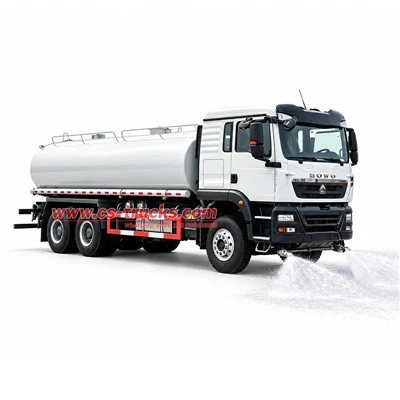 20000L Reliable Pump Water Sprinkler Truck HOWOHOWO 20,000 Litres Water Sprinkler Tanker. Built on a SINOTRUK 6×4 chassis with a 370 HP WD615.47 engine, this 20000L water truck is powered by a WEILONG 80QZF-80/60S pump delivering 60 m³/h flow andAdd to Inquiry
 -
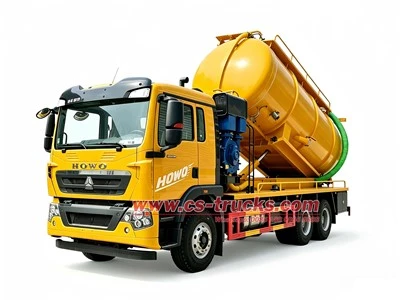 HOWO 18000L Water Sewer Sewage VehicleHOWO 6×4 Combination Sewer Cleaning Truck. This HOWO 18000L combination sewer cleaner, with its large 18000 liters capacity and 6×4 heavy duty chassis, is specifically designed for in depthAdd to Inquiry
 -
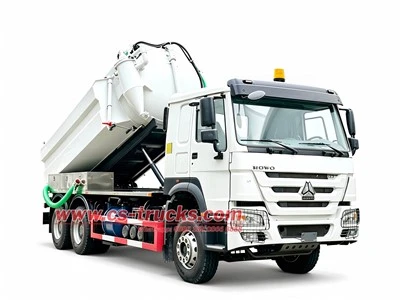 HOWO 10000 Liters Combined Vacuum Jetting VehicleHOWO 6×4 Sewer Flushing and Cleaning Truck. Built on the Sinotruk HOWO 6×4 chassis, this HOWO 6×4 high pressure jetting truck is equipped with a 371HP WD615.47 engine, providing strong powerAdd to Inquiry
 -
 Model ISUZU Combo Sewer Desilting TruckISUZU 4×2 Water Jetting and Sewage Suction Truck. This ISUZU Sewer vacuum truck service near me is equipped with an ISUZU 4HK1-TCG60 engine and 4×2 drive, achieving a powerful 205HP whileAdd to Inquiry
 -
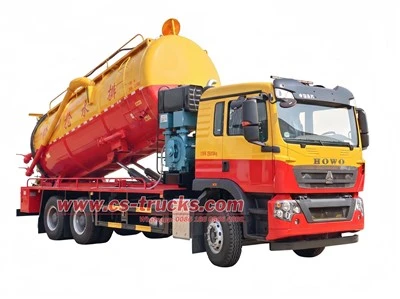 Customer Combination Tanker Trucks Made By HOWOHOWO 6×4 Water Jetting and Sewage Suction Truck This HOWO 16CBM Vacuum Jetting Truck is built on a Sinotruk HOWO 6×4 chassis and equipped with a 350 horsepower engine, providing strongAdd to Inquiry
 -
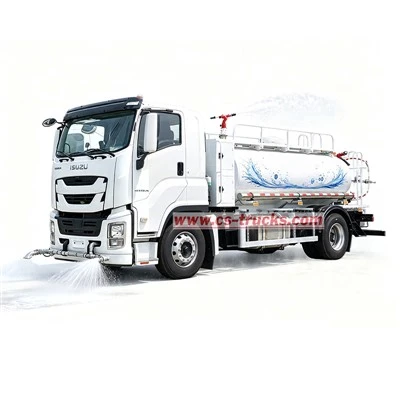 Panama ISUZU 3200 Gallons Water Bowser Fire TruckISUZU GIGA 12 CBM Water Sprinkler Tanker Truck. Built on an ISUZU GIGA 4×2 chassis with a 300 HP 6HK1-TCG60 engine, this 12,000L water bowser is powered by a PTO-driven pump system. Designed for fireAdd to Inquiry
 -
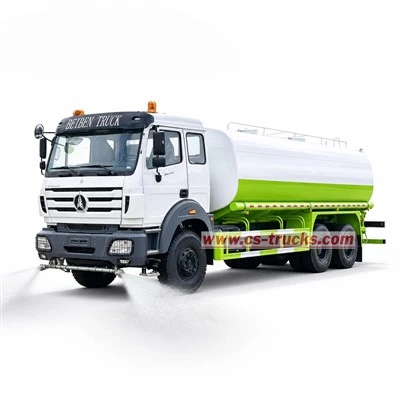 Beiben 2638 Water Sprinkling Bowser For CONGOBeiben 20 CBM Water Sprinkler Tanker Truck. Built on a BEIBEN 6×4 chassis with a 420 HP WP12.420E32 engine, this 20,000L water bowser is powered by a PTO-driven pump system. Designed for roadAdd to Inquiry
 -
 Djibouti 25Tons HOWO Sewerage Cleaning TrucksHOWO 8×4 Water Jetting and Sewage Suction Truck. This HOWO 25Tons high pressure jetting truck is equipped with a Weichai WP8.350E62 Euro VI engine, boasting a powerful 350HP and an 8×4 driveAdd to Inquiry
 -
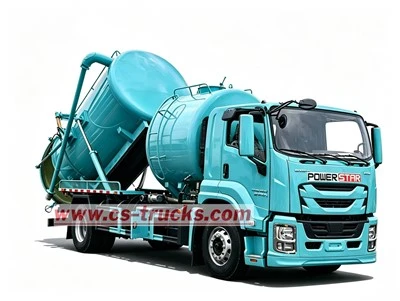 ISUZU 15000Liters Sludge Suction Water Jetting TruckISUZU 15000L Combination Sewer Cleaning Truck. The ISUZU 4×2 high pressure jetting truck is equipped with a 240HP 6HK1-TCG61 engine and a large 15000L tank, providing ample power and highAdd to Inquiry
 -
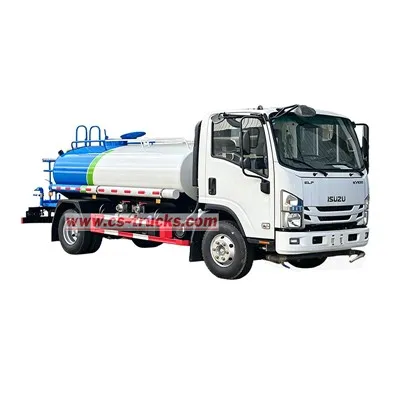 4000L Bulk Water Delivery Hauling Truck ISUZU VietnamISUZU KV100 4 CBM Water Spraying Truck. The ISUZU KV100 4000L water delivery truck pairs a 40/50 single stage centrifugal pump with a PTO-driven system on an ISUZU 4×2 chassis, all built around aAdd to Inquiry
 -
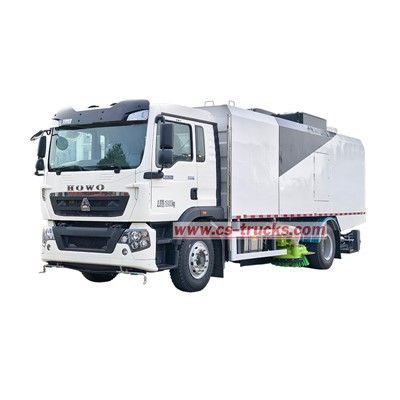 Kenya HOWO Street Sweeper Truck With BroomHOWO 9 CBM Street Sweeper Vacuum Truck. The HOWO 16 CBM street sweeper vacuum truck runs on a SINOTRUK 4×2 chassis with a 250 HP MC07.25-61 engine. It carries a 9,000L stainless steel water tank andAdd to Inquiry


- Tel: +86188 0866 8888
- Email: info@cs-trucks.com
- Add: No.9, Jiliang avenue,Economic zone, Suizhou city, Hubei province, China.
Why Choose Us
Factory
In line with the tenet of "quality first, credibility first, service first", we always develop with the goal of "creating the best supplier".
Professional team
The members of the team are highly skilled and proficient in their respective roles and possess the necessary education, training, and experience to excel in their jobs.
Advanced equipment
A machine, tool or instrument designed with advanced technology and functionality to perform highly specific tasks with greater precision, efficiency and reliability.
Global shipping
Our products support global shipping and the logistics system is complete, so our customers are all over the world.
Types of Cleaning Truck
Vacuum trucks
They are commonly used for cleaning and maintaining septic tanks, municipal sewer systems, and industrial waste collection systems. Vacuum trucks can also be used for spill response and cleanup, and for cleaning up hazardous waste.


Pressure washers
Pressure washers are highly effective tools for cleaning a wide range of surfaces. They use a high-pressure water stream to blast away dirt, grime, and other contaminants from surfaces. This makes them ideal for cleaning building exteriors, sidewalks, parking lots, and other outdoor surfaces.
Sweeper trucks
They are commonly used by municipalities to keep roads and other public areas clean. Sweeper trucks come in a variety of sizes and configurations, from compact machines to large trucks with advanced technology for more efficient cleaning.


Water trucks
They are equipped with large tanks and pumps to transport and distribute water as needed. These trucks are commonly used in industries such as construction, mining, and agriculture.
Garbage trucks
They come in many different shapes and sizes but generally consist of a cab with a large container for holding the waste. The container is usually loaded from the rear of the truck with the use of hydraulic mechanisms, and once full, the truck transports the waste to a landfill or other waste management facility for disposal.


Street sweepers
Street sweepers not only enhance the appearance of our roads but also play a crucial role in keeping our environment clean. They help prevent pollutants like sediment, oil, and debris from entering our waterways and soil. Street sweepers also reduce the spread of disease by removing accumulated garbage along sidewalks and streets.

Application of Cleaning Truck
Road cleaning
Regular road cleaning can also improve the aesthetic appeal of the area and promote a sense of pride and responsibility among residents and visitors. It can prevent the buildup of litter and other pollutants, reducing the risk of pollution and environmental damage.
City leaning
Cleaning trucks are widely used for city cleaning work, including cleaning up garbage and dirt in parks, squares and sidewalks. Theyabsorb water, sediment and sewage, and remove oil and stains from city streets.
Snow removal
Snow removal is a crucial task during winter months to avoid accidents and ensure easy transportation. The snow removal trucks are specialized vehicles that are designed to plow or shovel snow from roads, streets, highways, and parking lots. They are also equipped with salt and sand spreaders that disperse anti-skid agents on the icy roads to prevent skidding and accidents.
Cleaning sewers and drainage systems
This process helps to prevent flooding, foul odor, and environmental contamination caused by blocked sewers. The cleaning trucks are operated by trained professionals who follow strict safety guidelines to ensure the work is done safely.
Garbage collection and recycling
Garbage and recycling trucks are designed to handle a variety of waste materials, including household and commercial waste, construction debris, hazardous materials, and recyclable materials such as paper, plastic, glass, and metal.
How to maintain Cleaning Truck
Clean the exterior regularly
The exterior of the truck should be washed regularly to prevent dirt from building up. Use gentle detergent, water and a soft brush to clean the surface.
Check fluid levels
Fluid levels should be checked regularly, including engine oil, transmission fluid, brake fluid, and coolant.
Keep the engine clean
A clean engine is less likely to accumulate dirt and debris that may damage the components or impact the engine’s performance. Use a degreaser and a high-pressure jet washer to clean the engine bay.
Check for damage
Inspect the truck for damage to the body and mechanical components. Repair any damage as soon as possible to avoid bigger problems down the line.
Regularly maintain the vehicle’s tires
Check the tire pressure and fill up the tires as needed. Also, rotate the tires every six months or 6,000 miles to ensure even wear.
Clean the interior
Vacuum the truck s interior regularly and wipe down surfaces with a damp cloth. This will prevent dirt and dust from accumulating and minimize the chances of mold and mildew growth.
Keep the cleaning equipment clean
Cleaning equipment should be cleaned after each use to prevent it from becoming clogged or contaminated. Follow the manufacturer’s instructions for proper cleaning.
Regularly service the truck
Follow the manufacturer’s recommended maintenance schedule for the truck. Regular service will help prolong the vehicle’s lifespan and minimize the chances of costly repairs down the line.

- Rinse
Apply a cleaning solution to the truck and use a brush to scrub away any stubborn dirt or stains.
- Wheels and tires
Regular cleaning and maintenance of your wheels and tires not only enhances the appearance of your vehicle but also ensures optimum performance and safety on the road. So, don't neglect your wheels and tires and give them the care they deserve.
- The undercarriage
Clean the undercarriage using a pressure washer to remove any dirt or debris that may have been caught. This step is important, especially if you've been off-road or driving in dirty conditions.
- The body
Wash the main body of the truck with a special soap designed specifically for vehicles or dish soap and water. Be gentle and avoid scrubbing too hard, which could damage the paint.
- Clean the windows and mirrors
If you have stubborn stains or grime on your windows, use a white vinegar solution to dissolve the buildup before cleaning it with a glass cleaner.
- Dry
Make sure to remove any excess water from all surfaces, paying special attention to corners, crevices, and other hard-to-reach areas. Use a dry towel to wipe down all windows, mirrors, and headlights, being careful not to leave streaks.
- Wax
Wax also adds an extra layer of protection to your vehicle's paint by creating a barrier against water, dirt, and pollutants. It can also make your truck look more polished and glossy.
Components of Cleaning Truck
Water tank
The water tanks can be equipped with a pump to deliver the water to the cleaning tools such as hoses, spray nozzles, and pressure washers. The water tanks should be cleaned and maintained regularly to prevent any contamination or damage to the cleaning equipment.
Vacuum system
A vacuum system consists of a motor or suction device that creates negative pressure or suction. This suction draws air and particles into the vacuum. Particles are trapped in collection containers, bags or filters, while air is expelled out of the exhaust system.
Pressure washer
They use a motor or engine to power a pump that pressurizes the water, which then sprays out of a nozzle with high force to clean surfaces such as sidewalks, decks, siding, and vehicles.
Cleaning solution tank
They use a motor or engine to power a pump that pressurizes the water, which then sprays out of a nozzle with high force to clean surfaces such as sidewalks, decks, siding, and vehicles.
Hose reels
Hose reels can come in a variety of sizes, materials, and functionalities. They are commonly used in professional settings such as commercial properties, farms, and industries where a lot of water needs to be sprayed or moved around.
Dump tank
The wastewater stored in the dump tank contains various types of contaminants such as food waste, grease, oils, and chemicals that can harm the environment. Hence, proper disposal of the wastewater from the dump tank is necessary to avoid pollution.
Control panel
It allows the operator to adjust settings such as water pressure, temperature, chemical dosing, and vacuum power. The control panel also displays important information such as the water tank level, the number of hours the equipment has been in use, and any error messages.
Storage space
Storage space is an essential aspect of any home or commercial space, especially when it comes to cleaning. It provides a designated area to store all the cleaning equipment, tools, and accessories in an organized and easily accessible manner.
Material of Cleaning Truck
Steel
Steel has a high resistance to corrosion and can be easily welded, making it an ideal choice for metal fabrication. Steel is also an affordable option, making it a cost-effective choice for many businesses.
01
Aluminium
Aluminium is a lightweight and corrosion-resistant material. It is used in some cleaning trucks to reduce weight and improve fuel efficiency.
02
Fiberglass
Fiberglass is a durable and lightweight material that is commonly used in the construction of tanks and storage compartments.
03
Polyethylene
Polyethylene is a lightweight and impact-resistant thermoplastic. It is used in the construction of water tanks and other storage compartments.
04
Stainless steel
Stainless steel is a corrosion-resistant material that is used in the construction of pressure washing systems and other equipment.
05

The Difference Between a Cleaning Truck and a Sprinkler Truck
A cleaning truck is used for cleaning and maintaining the roads and streets. It has special equipment like street sweepers, vacuum trucks, and power washers to clean dirt, debris, and other waste materials from roads and pavements. The cleaning truck often washes the streets using a high-pressure water spray hose.On the other hand, a sprinkler truck is used for watering plants, trees, crops, and grass. It has a water tank installed that supplies water to the sprinkler system for irrigating the agricultural area. The sprinkler truck helps to keep the soil moist and provide sufficient water to plants for their growth.
In summary, the cleaning truck is used to keep the streets clean and tidy, while the sprinkler truck is used for agricultural purposes to supply water to plants.
What Are the Safety Measures to Be Taken While Using a Cleaning Truck?
When working with a cleaning truck, one should always wear personal protective equipment (PPE) such as gloves, goggles, and dust masks. Make sure the cleaning vehicle is equipped with all safety features, including fire extinguishers, emergency lighting and warning signals. Before starting the cleaning truck, make sure the brakes, tires, steering wheel and controls are working properly. Operate the cleaning cart according to the manufacturer's instructions. Do not operate beyond the specified capacity. Maintain the cleaning vehicle in good condition and perform regular maintenance. Be careful when driving the cleaning truck. Maintaining a safe speed and distance from other vehicles is important. Avoid using the cleaning vehicle in severe weather conditions, such as heavy rain, snow, or thunderstorms. Use caution when working near power lines or high-voltage equipment. Keep cleaning trucks away from hazardous materials and chemicals. Make sure everyone involved in the cleaning process is trained in the proper use of the cleaning cart.

How Does the Cleaning Truck Operate
Read the manual
The first step is to read the truck's manual to understand the operating system, maintenance requirements and safety measures.
01
Perform pre-operation checks
Before starting the engine, make sure cleaning supplies (including water, detergent, and vacuum cleaner) are sufficient and functioning properly. Check the equipment for any signs of wear.
02
Start the engine
After completing the pre-operation inspection, start the engine and let the vehicle warm up for a few minutes before operating.
03
Start the cleaning process
Drive the vehicle to the location that needs to be cleaned and turn on the cleaning equipment. Move equipment as needed to effectively clean surfaces.
04
Dump waste and replenish cleaning supplies
Once you are done cleaning, find a suitable place to dump waste and dispose of it. Replenish supplies as needed.
05
Post-operation inspection
After cleaning, turn off the cleaning equipment and shut down the engine. Conduct post-operation inspections to ensure all supplies and equipment are in good condition.
06
Maintenance and repair
Perform regular maintenance and repairs on the forklift to extend the service life and operating efficiency of the forklift. If any equipment is damaged, it should be replaced or repaired promptly.
07
Safety
Always wear protective gear, including gloves, safety boots and clothing, and strictly follow safety procedures when operating a cleaning truck.
08
Our Factory
Chusheng Vehicle Group CO., LTD (also shorted as CS Trucks Group Limited) was founded in 2002, is premium national special purpose vehicle manufacturing enterprise with independent research and development capabilities under the CRRC City Transportation Co., Ltd.

certificate


As one of the most professional cleaning truck manufacturers and suppliers in China, we're featured by quality products and competitive price. Please rest assured to buy cleaning truck for sale here from our factory. Contact us for customized service.
