

The hydraulic system is the core of a garbage compactor truck, and hydraulic oil plays a vital role in transmitting power, lubricating components, and ensuring efficient operation. Determining the optimal interval for changing hydraulic oil is crucial for maintaining vehicle performance and longevity.

Key Factors Affecting Change Intervals:
◆ Temperature: Operating outside the ideal 15°C–70°C range accelerates degradation.
◆ Contamination: Exposure to dust, moisture, and metal particles increases wear and clogs filters.
◆ Oxidation: Oil breaks down over time, forming sludge and increasing acidity.
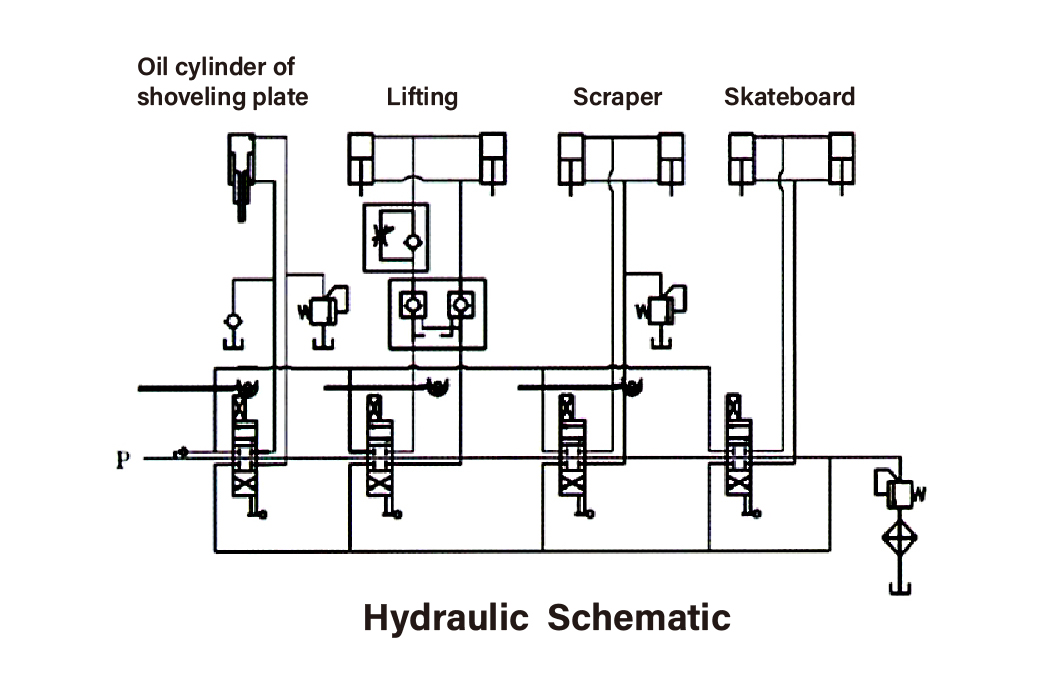
Recommended Change Intervals:
1.Standard Service: Change oil every 2,000 - 3,000 hours or once per year under normal operating conditions.
2.Severe Service: In harsh environments (high heat, dust, humidity), shorten the interval to 1,500 - 2,000 hours or every six months.
3.Condition-Based Change: Replace oil immediately if you observe:
◆ Visual Signs: Discoloration, cloudiness (emulsification), or excessive impurities.
◆ Performance Issues: Slow operation, loss of power, or unstable pressure.
 Consequences of Not Changing Oil:
◆ Clogged filters and pump damage.
◆ Worn seals, valves, and cylinders.
◆ Reduced compaction force and slower cycles.
Correct Change Procedure:
1.Lower the compaction unit to release all pressure.
2.Drain old oil and replace the hydraulic filter.
3.Clean the hydraulic tank.
4.Refill with correct oil grade (e.g., L-HM46 for summer, L-HM32 for winter).
5.Inspect hoses and connectors for wear.
Hydraulic oil tank:

Conclusion:
There is no universal rule. The best practice is to follow the 1-2 year or 2,000-3,000 hour guideline for normal use, shortening to every 6 months or 1,500-2,000 hours for severe conditions. Always combine scheduled changes with regular visual inspections and performance monitoring to ensure reliable operation and avoid costly repairs.


